Built for Safety & Compliance
When building a new home, renovating, or adding an extension, balustrade compliance must be considered from the outset. These regulations exist to protect occupants and prevent falls — and are far easier to implement during planning than after construction.
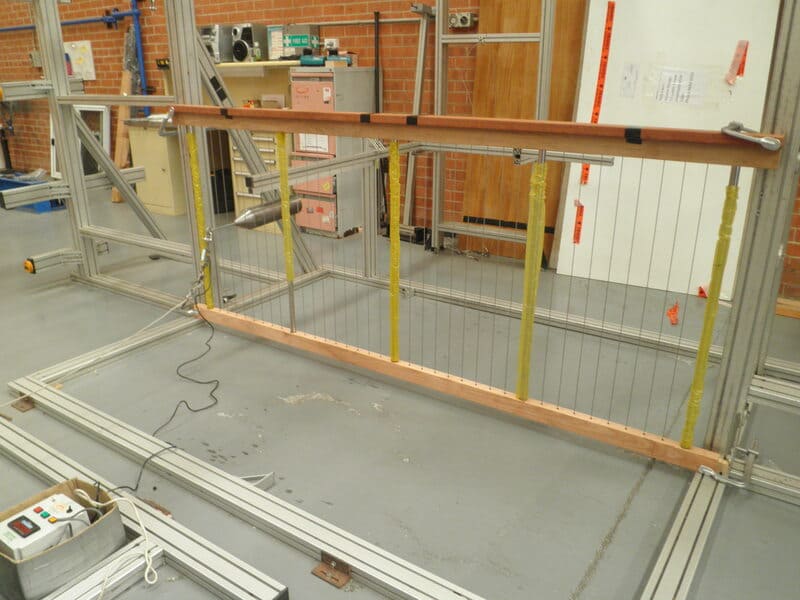
Sentrel balustrade systems are engineered to meet current Australian standards and are designed for straightforward installation. However, the strength of any balustrade depends on the structural integrity of the substrate it is fixed to. Timber decks and balconies should always be inspected to confirm structural adequacy before installation.
Common site risks that can compromise safety include:
✓ Poorly laid tiles or unstable substrates
✓ Electrical cables or plumbing located too close to fixing points
✓ Drilling into concealed wiring, potentially energising metal components
Understanding these risks highlights why building compliance and correct installation are essential for keeping your family safe.
National Construction Code
Building codes in Australia are determined by the Australian Building Codes Board (ABCB) and laid out in the National Construction Code (NCC). The NCC provides a consistent set of Australian building standards in the areas of health, fire, safety and sustainability. Here are the relevant balustrade building codes and below we have summarised some of the key points.
What is a Balustrade and Why do You Need it?
A balustrade is a fall prevention barrier which must be provided alongside any stairway or ramp, any floor, corridor, hallway, balcony, verandah, mezzanine or path of access to a building if it is more than 1 metre above ground level. Many accidents happen every year due to illegally built decks and balconies, or ones that haven’t been regularly inspected and maintained. Regulated decks, balconies and balustrades help to prevent these accidents from happening.
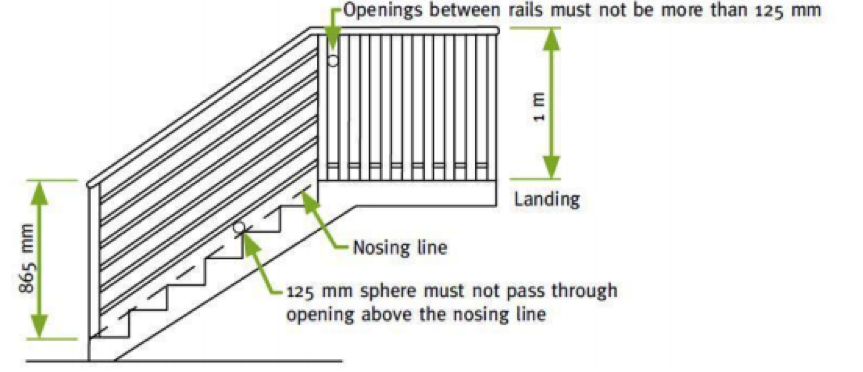
Building regulations in Australia state that balustrades should be a minimum height of 1 metre and have no spacings greater than 125mm to prevent large objects falling through.
For surfaces higher than four metres above the ground must have all of the above conditions must be met with the addition that they cannot have any climbable elements, such as horizontal rails, located between 150 millimetres and 760 millimetres from the floor.
Balustrades on stairs must be a minimum height of 865mm above the ‘nosing’ of the stair tread (see diagram below). Gaps in the balustrade cannot exceed 125mm.
Balustrades on stairs more than four metres above the ground must have all of the above with the addition that must also not have any climbable elements located between 150mm and 760mm from the floor.
Climate
Climate is an important factor to consider when building or installing balustrades especially with Australia’s varying seasons. In many parts of Australia, the construction of new building and additions to existing buildings will be assessed as to whether or not it is in a bushfire-prone area. Additionally, in areas prone to high rainfall, humidity or moisture only Class 1 timbers should be used to prevent rotting.
There are six different Bushfire Attack Levels (BAL) for proposed construction and as the threat increases, so do the restrictions on the building materials that may be used.
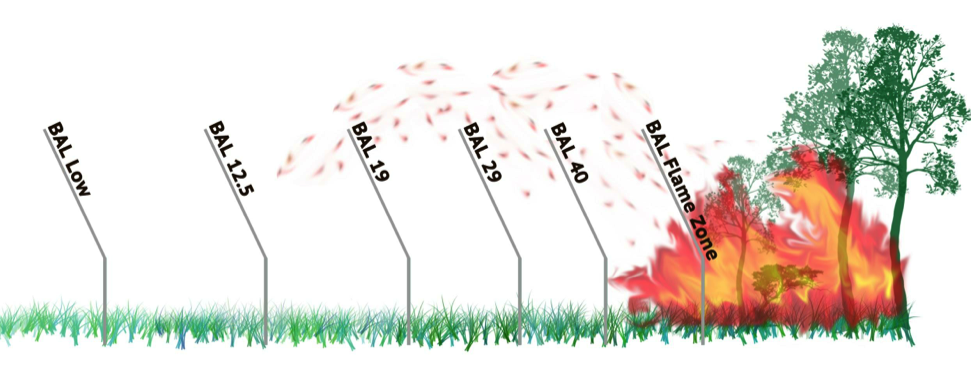
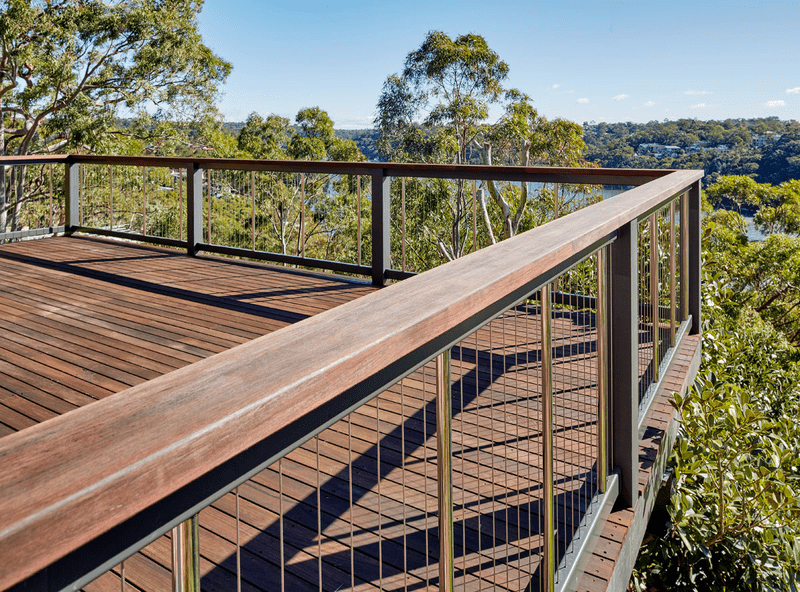
The safest option is to use metal which, of course, will not ignite and can be used in any of the Bush Fire Attack levels. But if timber is your choice, please be aware that you must use only specific types of timber in the various BAL classifications. For BAL Low – BAL 19 areas only timber with a mass of 750kg/m can be used. In BAL 29 areas, timber with a higher density and ‘fire resistant’ qualities can be used. These include; Merbau (Kwila), Spotted Gum, Blackbutt, Turpentine, Red Ironbark, River Redgum, Silvertop Ash.
In areas BAL 40 and BAL FZ the use of any timber for balustrades is not allowed.
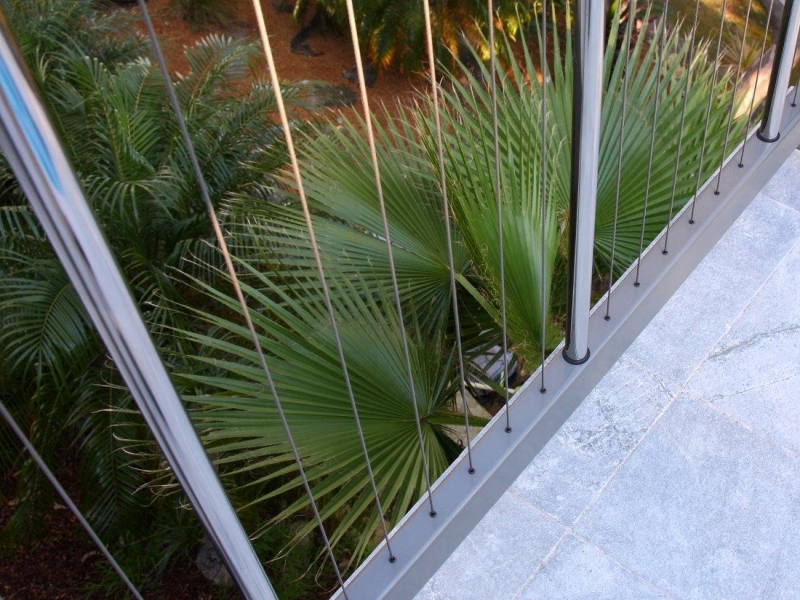
Fire isn’t the only environmental aspect to consider, decks and balconies on properties near the coast can have an even higher risk of potential failure. The corrosive effects of salt, sand and wind can affect unprotected timber and steel structures. Sentrel Australia uses Marine Grade Stainless Steel Wire, which is the most corrosion-resistant material in its class and the safest option for balustrades in coastal areas.
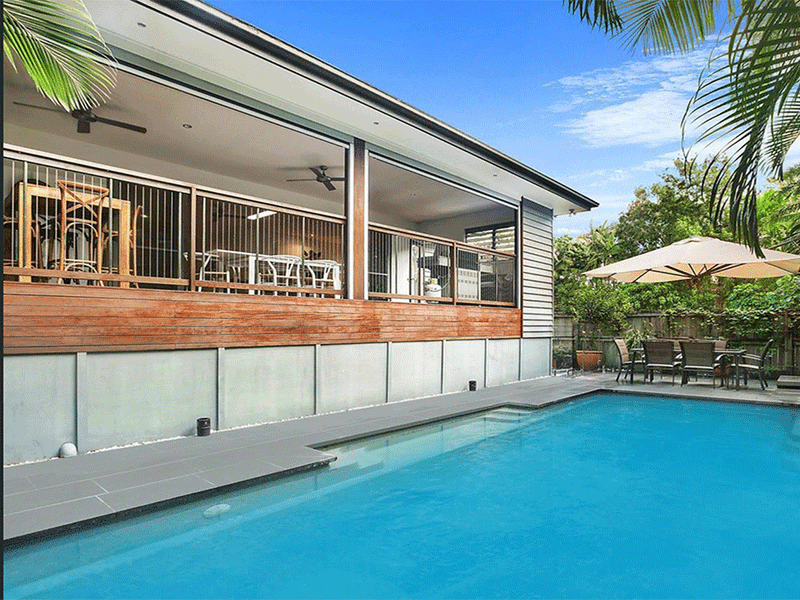
At Sentrel, all of the balustrade specifications for our stainless steel vertical wire with extruded aluminium comply with all Australian Standards. This means that you can rest assured knowing your family is safe while enjoying beautiful Australian designed & manufactured balustrades.
Coastal & High-Exposure Environments
Properties near the coast face accelerated corrosion from salt, sand and wind exposure.
Sentrel systems utilise 316 marine-grade stainless steel cable, offering superior corrosion resistance and long-term performance in coastal environments.
Engineered for Australian Standards
All Sentrel balustrade systems — including stainless steel cable with extruded aluminium surrounds — are engineered to comply with Australian Standards for safety and structural performance.
This means you can relax knowing your balustrade is protecting your family while enhancing the beauty and value of your home.
If you have any other questions, just contact Sentrel Australia and we can help. Email us at jen@sentrelaustralia.com.au or complete our online enquiry form.